
.svg)

6 January 2026

Introduction
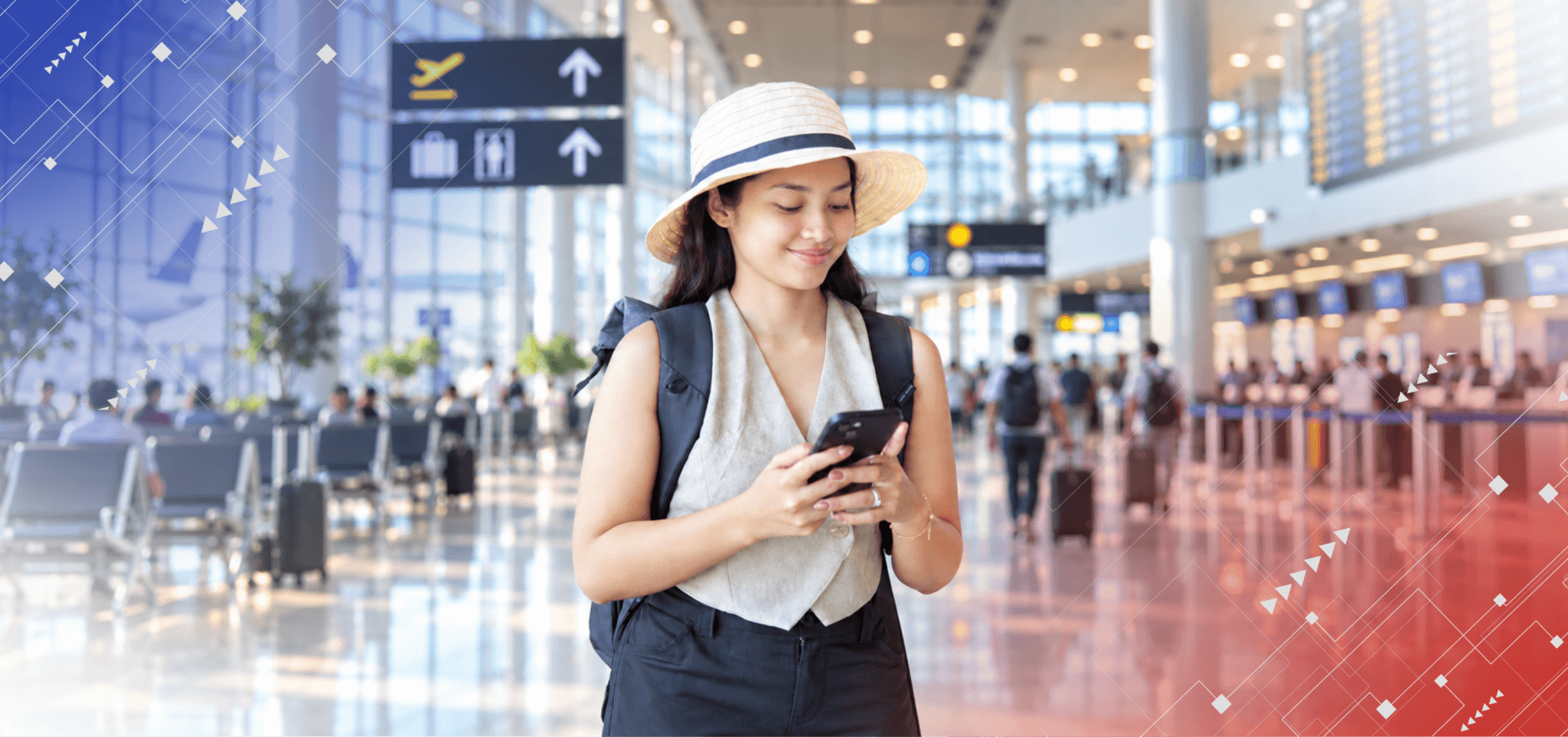
From data roaming as the go-to for mobile connectivity in the past, many now opt for an eSIM when traveling abroad from the Philippines. Its popularity stems from its ease of activation and the array of prepaid plans available, features that are more useful for on-the-go internet and fast-paced itineraries.
Consequently, as more travelers opt for digital SIMs, more options become available in the market.
Your challenge? Find the best eSIM for your next international trip. To help, DITO Telecommunity has put together a guide to choosing the right digital SIM for your unique needs. Read on to gain more confidence when you go shopping for an eSIM!
Where Do Travelers From the Philippines Go?
Recently, about 60% of outbound Filipinos prefer regions closer to home. A Business Mirror report cites Asian countries as the most popular: Hong Kong as a top destination, followed by Japan and Singapore. Budget considerations primarily drive the preference for these nearby destinations. That said, cost-efficiency is not the only reason — these countries have a strong pull thanks to their vibrant culinary scenes, enticing shopping experiences, and Instagrammable sites and activities.
This brief look at the travel habits of Filipinos, when it comes to mobile connectivity, shows that an eSIM is an essential trip companion. Navigating such countries requires staying connected for online bookings, digital maps, and real-time social media posts. Yes, you can do these things using public WiFi, but having your own mobile data access can bring extra peace of mind and a sound plan B.
Thankfully, many eSIMs today feature global and regional coverage, enabling you to maintain connectivity whether you plan to stay in one Asian country or hop from one place to another after a specific period.
Why Do Travelers Need an eSIM?
Traveling in the digital age is unthinkable without mobile data. Sure, you can use data roaming to stay connected, but the following advantages of eSIM show that this new technology is a better choice, cost- and convenience-wise:
To Save on Data Costs
Roaming bundles can cost hundreds to thousands of pesos, and you can’t know how much you’ve incurred until your bill arrives. Using an eSIM, meanwhile, allows you to choose between prepaid plans and buy the ones that exactly match your needs at the time. The flexibility of eSIM plans gives you more control over your budget and lets you allocate more money to essential parts of your trip.
To Stay Connected
As mentioned earlier, your connectivity abroad is more reliable with an eSIM. First, you can access mobile data as soon as you arrive at your destination. Second, you can use your phone as a tethering device for your other gadgets, in case you have no WiFi access. You can also use your eSIM without removing your physical SIM card, which is crucial if you need to contact loved ones from the Philippines using your local number.
To Aid in Travel Plans
From booking your accommodation to hailing a ride to go around town, many travel-related tasks will require you to go online. And in some parts of the country you’re in, public WiFi can only go so far. Having a mobile data connection through your eSIM can help you explore new places, message friends, and pay for goods with your digital wallet, and you don’t have to ask for the WiFi password every single time.
Are International eSIMs Better Than Roaming When Traveling Abroad?
If your concern is about cost and convenience, then yes, international eSIMs are better than data roaming. The eSIMs designed for travel abroad from the Philippines are particularly advantageous, as they offer a wide range of prepaid plans to suit every budget. Plus, they are easy to activate — you only need to scan a QR code and toggle your phone’s eSIM setting to use them. Because of these features, digital SIMs are perfect for extended stays and jam-packed itineraries.
Data roaming, on the other hand, is tied to your local network, so data allowances are limited and incur daily charges. You will likely prefer this option only if you need to stay contactable even abroad, or if you're on an overseas business trip.
In situations where you need affordable mobile data while your local number remains active, you can actually use both eSIMs and your local SIM. Do set your eSIM as your primary data SIM so your local carrier does not charge you. Then keep your data roaming on so folks in the Philippines can still reach you on your home number.
Factors To Consider To Get the Best eSIM for International Travel
Convinced that an international eSIM is better than roaming if you're traveling abroad from the Philippines? Well, the next thing to learn is the factors to consider when choosing which eSIM to subscribe to. While all are advantageous, some eSIMs are better than others as far as your needs are concerned. The following considerations are a good starting point to find the best one:
Price-To-Value
Compare the price of the eSIM and its accompanying plan against the inclusions to see the real value of your purchase. Some eSIMs may offer robust coverage at low prices but may not support data tethering or offer an unlimited data plan. Some options may come with 5G support, but may have data caps that slow internet speed after you reach a certain threshold. A single eSIM will not meet all your data needs, but you can choose a plan that best matches how you envision your mobile data connectivity abroad.
Countries Covered
Note that local eSIMs are country-specific, while regional and global eSIMs offer coverage in different nations and regions. Choose the eSIM that best fits your itinerary: a local eSIM in Japan is a better option if you’re not visiting another country. In contrast, a regional eSIM is ideal if you’re touring Southeast Asia.
Be sure to list down your destinations first and choose eSIMs that offer coverage in those locations. That way, you’re effectively narrowing your choices of digital SIMs, too!
Plan Options
Check the eSIM plan’s inclusions if they align with your mobile data usage habits. If you can’t help but play games even during travel, opt for a plan with unlimited data access. If you need to call or text your companions, especially when you’re meeting up at a specific location, choose an eSIM with these allocations. Pay attention to the duration of each plan, too. Opt for a 30-day data plan only if you’re staying that long in a country; otherwise, cut the validity period to match your stay.
Data Speed
Depending on your usage habits, you may find 4G speeds satisfactory and 5G speeds ideal. Check if your eSIM supports both frequencies, and then check if your destination has the infrastructure for these cellular network technologies. The good news is that most Asian and Western countries have advanced cellular networks, so you’ll probably enjoy a smooth mobile internet experience either way.
Extra Features
If you need extra add-ons, such as 24/7 customer support, security features, or free access to messaging apps, know that you can find an eSIM that matches your preferences. Do read about the inclusions carefully so you won’t miss these extra inclusions. Better yet, opt for an eSIM that comes with a trusty mobile app so you can monitor your usage and reload your data conveniently.
Frequently Asked Questions About eSIMs for International Travel
Can I Buy an eSIM in the Philippines?
Yes, you can buy an eSIM even when you’re still in the Philippines. Most international eSIMs are available to purchase online, and you can activate them prior to your trip to reduce hassle.
Are There Any Disadvantages to Using an eSIM for Travel?
Yes, there are some disadvantages. For instance, you can’t use even the best eSIM for international travel if your phone doesn’t support a digital SIM. Also, many travel eSIMs are more on data-only plans; only a few offer text and call allocations, which can be an issue if you can’t connect to both WiFi and mobile data and you need to contact your travel companions.
Do You Turn Off Roaming When Using an eSIM for Travel?
Yes, do turn off your data roaming when you’re using an eSIM to avoid accidental charges. Conversely, you can keep data roaming on, provided that your primary data SIM is set to your eSIM. You may want to toggle your roaming when you need loved ones back in the Philippines to contact you; otherwise, if it’s not necessary, using just your eSIM is enough.
Conclusion
Staying connected is the rule, not the exception, when traveling. As such, you should look for an ideal eSIM that can support you for your travel abroad from the Philippines. To choose the best one, consider an eSIM’s price-to-value ratio, plan options, data speeds, and price. Select the digital SIM that best suits your requirements and preferences to ensure a smooth, enjoyable trip.
Want to know more about eSIMs? Check out DITO’s eSIM options to learn what to switch to when you get back home!





 Get App
 Get SIM